


What Oregon Drivers Should Know Before Buying a Kia EV
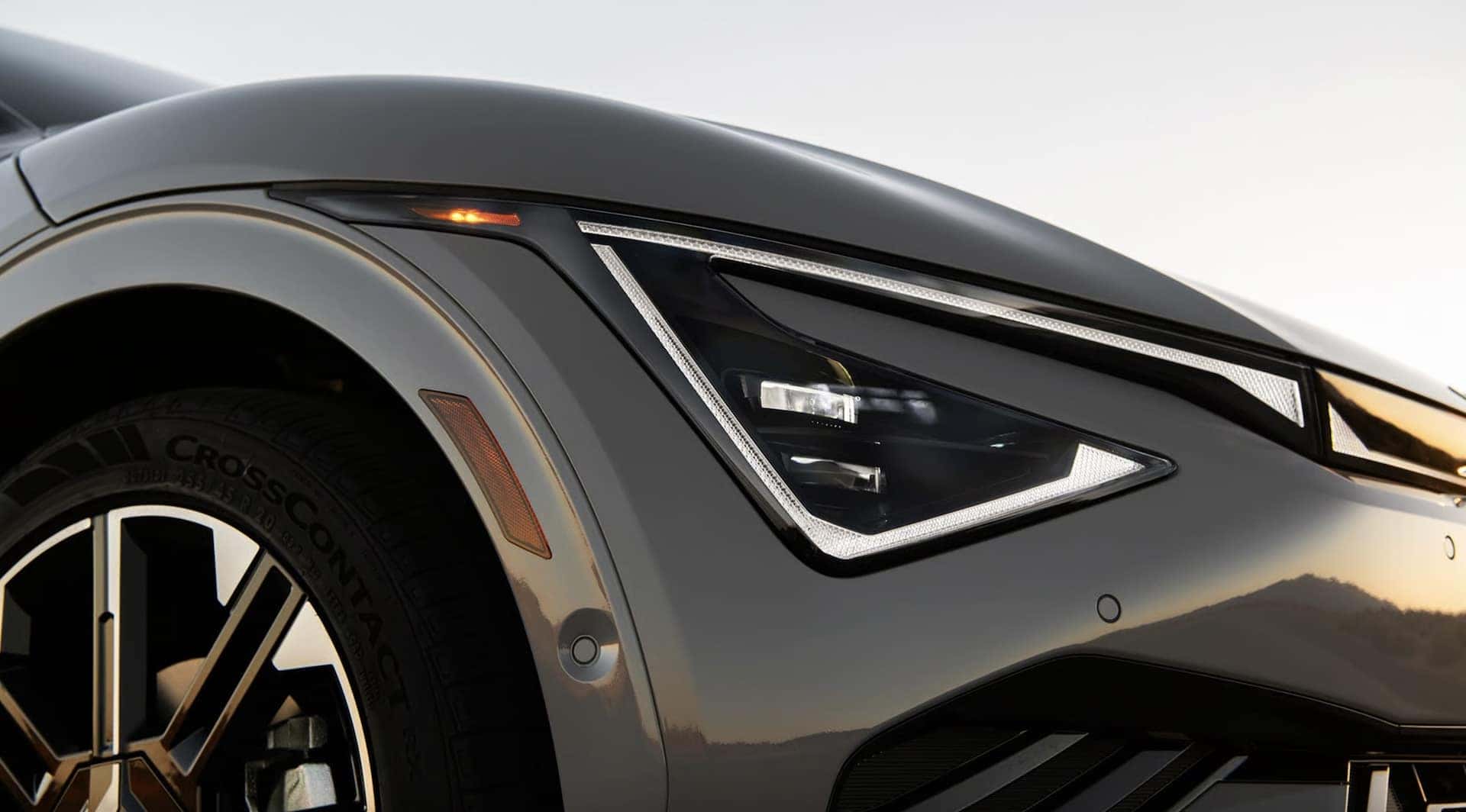
Thinking Electric in Oregon? What Every Kia EV Buyer Needs to Know
Electric vehicles are becoming increasingly popular across the state, especially as drivers look for efficient, eco-friendly alternatives to gas cars. If you’re considering a Kia EV purchase in Oregon, this guide will walk you through the most important things to know before you buy, from local rebates to charging infrastructure and choosing the right model for your lifestyle.
Plus, we’ll link you to resources that make your EV journey easier and more informed.
Why Choose a Kia EV?
Kia has quickly become a leader in the electric and hybrid vehicle space thanks to its range of innovative EVs with strong performance, advanced tech, and solid value. If you want a deeper dive into Kia’s electric lineup, from the EV6 to hybrids and more, start with A Comprehensive Guide To Kia EVs and Hybrid Cars for full specs and comparisons.
Local Incentives & Rebates in Oregon
One of the biggest perks of buying an EV in Oregon is access to several electric vehicle incentives Oregon programs that can reduce your upfront cost:
Oregon Clean Vehicle Rebate
Oregon’s Clean Vehicle Rebate Program offers rebates (often up to $2,500) on eligible EV purchases. Some vehicles could also qualify for additional incentives under the Charge Ahead rebate, which might offer up to $7,500 for qualifying buyers. These rebates require vehicles to be registered in Oregon and for buyers to meet income or residency qualifications.
Federal EV Tax Credit Update
While many buyers previously relied on the federal EV tax credit, that incentive is no longer available for most electric vehicles. To help offset this change, Kia has stepped up with manufacturer incentives and rebates, often offering up to $13,000 in savings on select Kia EV models. These offers help make going electric more affordable, even without a federal tax credit, and can be combined with eligible Oregon state incentives when available.
Understanding Oregon EV Charging
Charging infrastructure is one of the first questions drivers have when they consider going electric. Oregon has grown its EV charging network rapidly, including:
- Public DC fast chargers along major highways and in urban centers
- Level 2 chargers at workplaces, shopping centers, and residential areas
- Home charging installation options for overnight charging convenience
Before you make a purchase, think about your regular driving patterns:
- Daily commute? A Level 2 home charger may be ideal
- Frequent road trips? Make sure local DC fast chargers fit your route
For deeper research into charging, range, and what electric ownership means logistically and technically, your next step should be EV research.
What to Consider Before Buying a Kia EV
Model & Range
Different Kia EV models offer varying ranges and features. The EV6, for instance, generally delivers generous range and performance, ideal for both metro and longer drives.
When evaluating which Kia EV is right for you, it helps to explore Kia EV industry updates and trends so you understand where technology and incentives are heading.
Delivery & Availability
With changing demand and production schedules, EV inventory can vary. Planning ahead and contacting your local dealer as soon as possible helps you secure the trim and features you want without delays.
Total Cost of Ownership
While EVs offer lower long-term maintenance thanks to fewer moving parts and no oil changes, upfront cost is often the biggest concern for buyers. That’s where Kia’s current EV rebates (sometimes reaching up to $13,000 on select models) can make a major difference, helping offset the loss of federal incentives while still delivering long-term savings on fuel and maintenance. Buyers should also budget for home charging installation, tires, and insurance variations.
Tips for Oregon Buyers
Here are a few tips that Oregon drivers often find helpful:
- Ask about current Kia EV rebates: Manufacturer incentives can vary by model and timing, and some Kia EVs may qualify for significant savings even without federal tax credits.
- Plan charging access: Especially if you live in rural areas.
- Test drive multiple EV models: To compare range, comfort, and tech.
- Ask about vehicle trade-ins and rebates together: They can stack in certain cases.
Final Thoughts
Buying a Kia EV in Oregon is an exciting decision that blends current technology, local savings, and long-term value, especially if you take the time to understand incentives, charging, and ownership realities before you sign on the dotted line.
Start your research with the resources above, stop by the Beaverton Kia dealership to test drive your favorite EV, and enjoy electric driving in the Pacific Northwest!
Image Source: KIA



0 comment(s) so far on What Oregon Drivers Should Know Before Buying a Kia EV